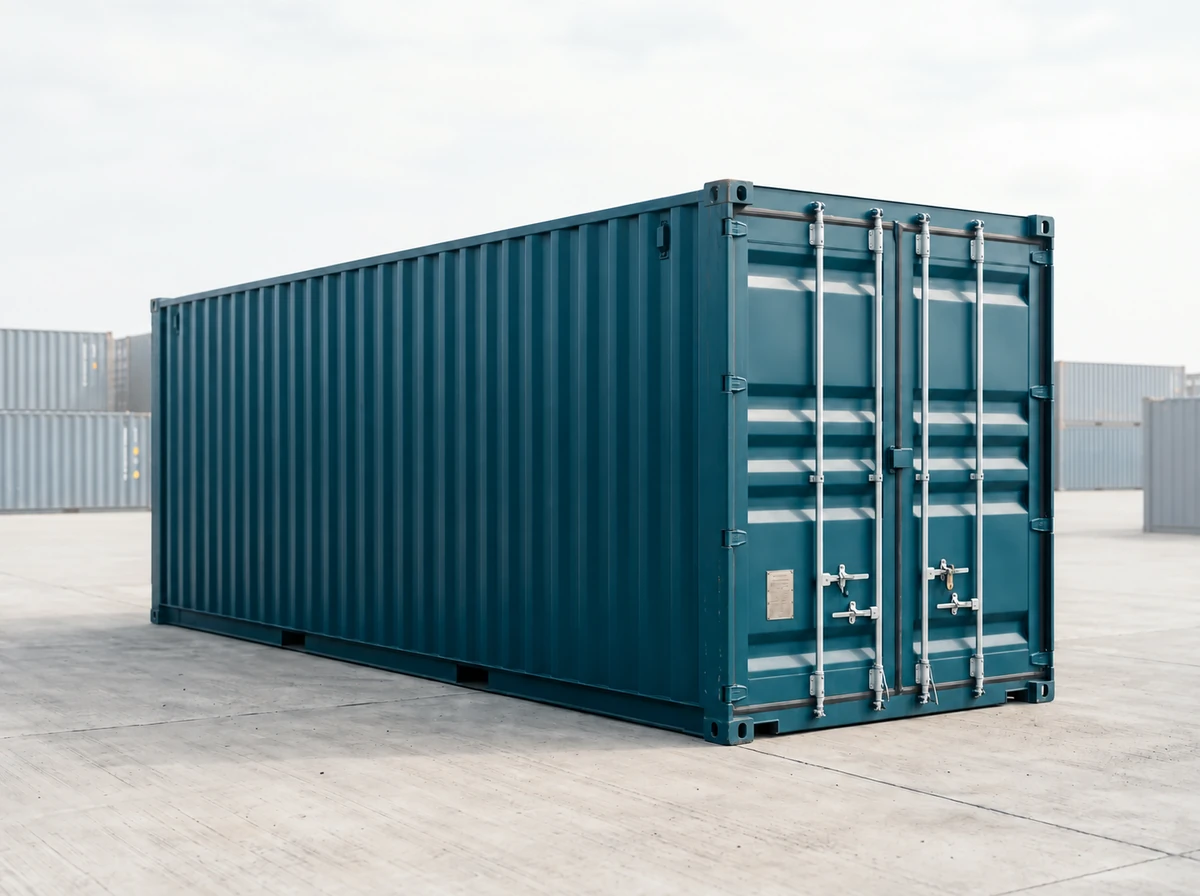
Full Container Load (FCL)
A container used only for your cargo. FCL suits larger volumes, high-value or sensitive goods, and shipments where you want the container to stay sealed from origin to destination.


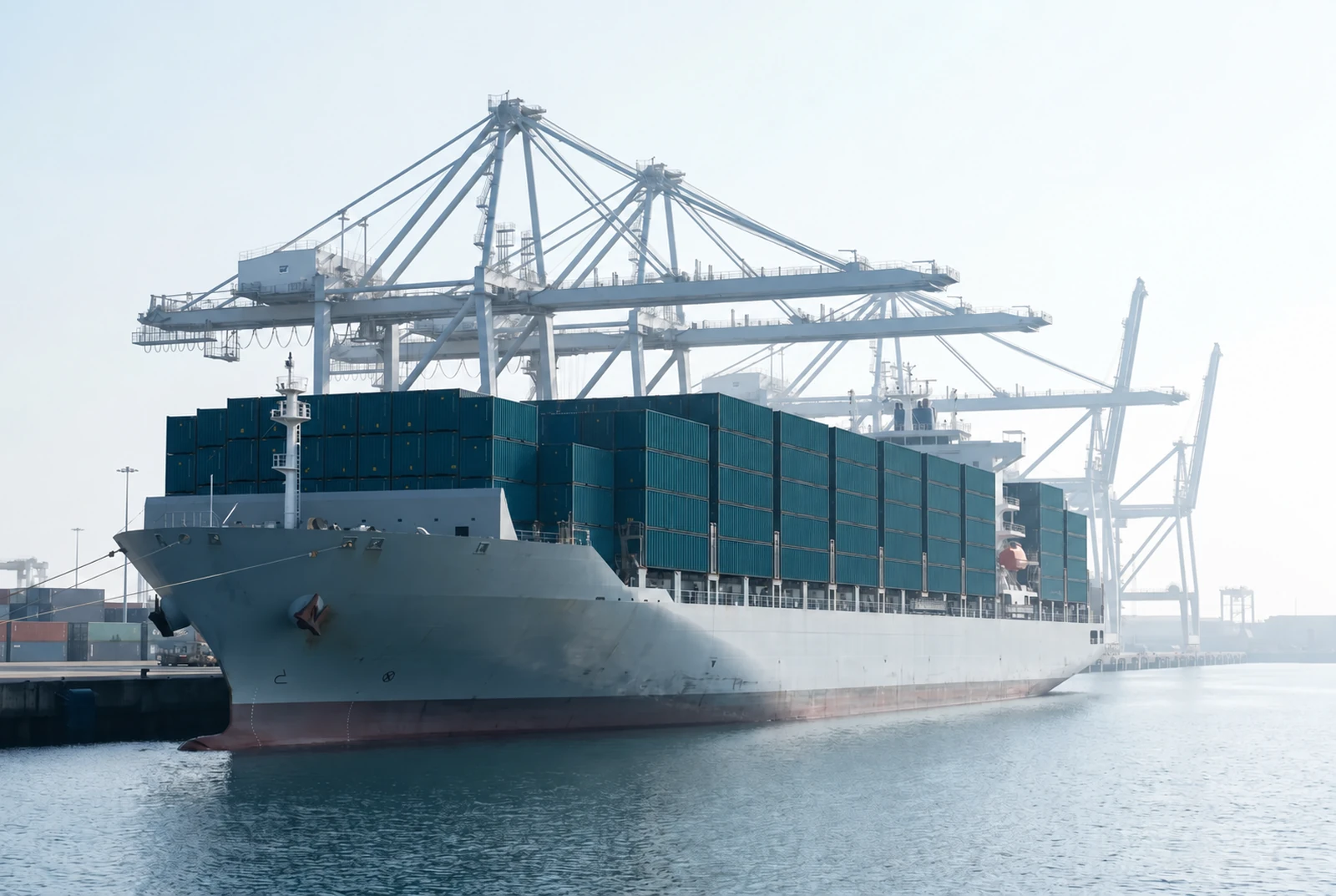
Full container and consolidated ocean freight, managed by people who take ownership of your shipment and keep you informed from booking to delivery.
When you ship by ocean freight, you need to know where your cargo is, when it will arrive, what it will cost and what happens if something changes. Our job is to give you those answers clearly, and to keep giving them until your goods are delivered.
Whether you need a dedicated container or space in a shared one, we plan the right option for your cargo, manage the booking and paperwork, and stay with the shipment from origin to destination.
A container used only for your cargo. FCL suits larger volumes, high-value or sensitive goods, and shipments where you want the container to stay sealed from origin to destination.

Cost-effective consolidation for cargo that does not need a full container. Your goods share a container with other shippers' cargo, so you pay for the space you use. LCL suits smaller or regular shipments, and businesses moving goods to a new market or from a new supplier.
The right choice depends on your volume, budget, timing and the type of goods. As a general guide:
| FCL | LCL | |
|---|---|---|
| Best for | Larger volumes and goods that should not be mixed with other cargo | Smaller shipments that do not fill a container |
| Cost | One price for the whole container | Pay for the space your cargo uses |
| Transit time | Usually faster, as the container goes straight to the port | Usually longer, allowing for consolidation and unpacking at each end |
| Handling | Packed once and opened at destination | Handled more often in consolidation warehouses |
Where your volume sits close to the point at which a full container becomes better value, ask us to compare both options. That point varies by trade lane and season.
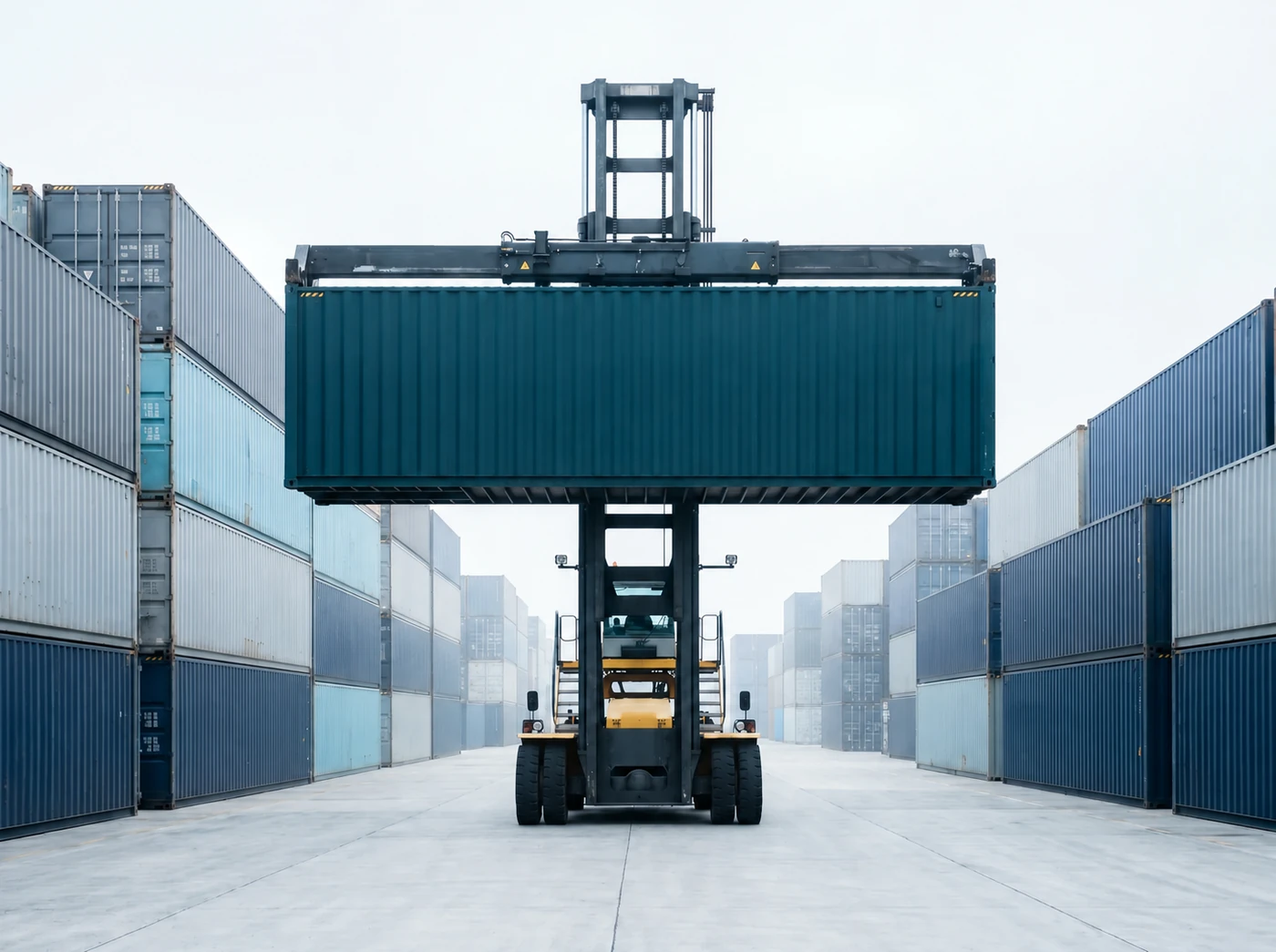
The goods, the volume and weight, where they are going from and to, and when they will be ready.
FCL or LCL, routing, cost and expected transit time, with any risks explained plainly.
Space with the carrier, and the paperwork needed at each end.
You get updates as the shipment moves. If a sailing is delayed or cancelled, we tell you and set out the alternatives.
Customs clearance and final delivery, coordinated by the same team.
You deal with people who know international shipping, and senior staff stay involved. You are a customer, not an account number.
We tell you the cost, the timing and the risks as they are, including when the news is not what you want to hear.
We manage your shipment actively and keep you informed, so you are not left calling to find out where your cargo is.
Blank sailings, port congestion and route disruption happen. When they affect your cargo, we look for alternatives and explain the trade-offs so you can decide.
Our relationships with carriers and partners across major trade lanes give you more options on space, routing and timing.
Ocean, air, road, Customs and project cargo are coordinated by one accountable team, so you do not have to manage several providers.
We focus on trade between the UK and Europe, the Middle East and GCC, Pakistan and South Asia, as well as wider Europe to Asia ocean freight.
With FCL, your cargo has a container to itself. With LCL, your goods share a container with other shippers' cargo and you pay for the space you use. FCL is usually faster and involves less handling. LCL is usually more economical for smaller volumes.
It depends on the route, the carrier and the service. Port-to-port sailing time is only part of the journey, so also allow time for collection, Customs clearance and final delivery. We give you an expected transit time with every quote.
A description of the goods, the number of packages with their weight and dimensions or total volume, the collection and delivery addresses, the date the cargo will be ready and the agreed Incoterms, if known.
Yes. Our Customs Clearance service coordinates the formalities and documentation so your cargo moves compliantly across borders.
We tell you as soon as we know, explain the options, such as another sailing, another routing or another mode, and agree the next step with you.
Send us the details of your cargo and route, and our team will come back to you with options.
Request a quote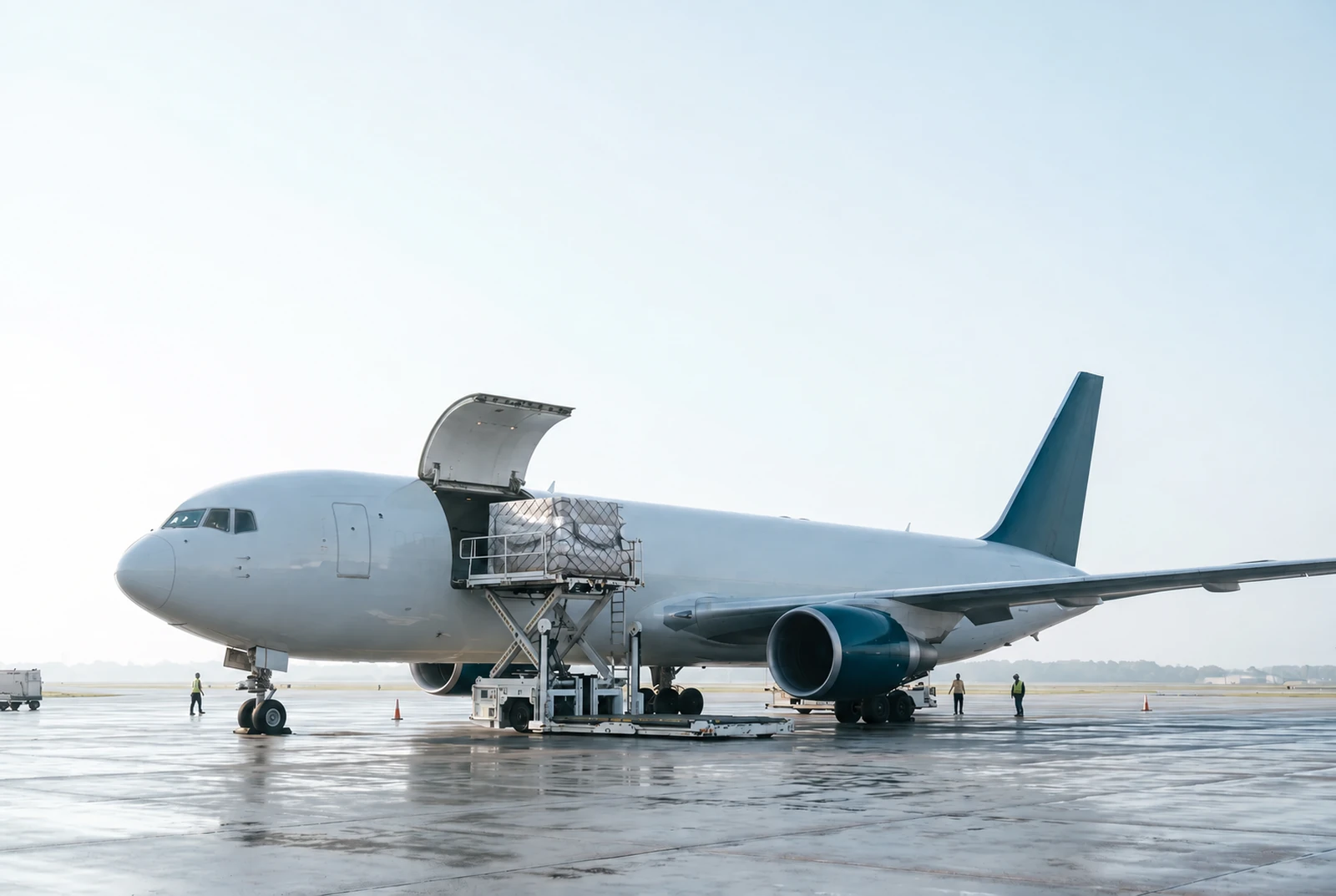
International air freight for time-sensitive shipments where speed, reliability and careful handling are important. We coordinate import and export movements around the customer's routing, timing and cargo requirements.
Enquire about air freight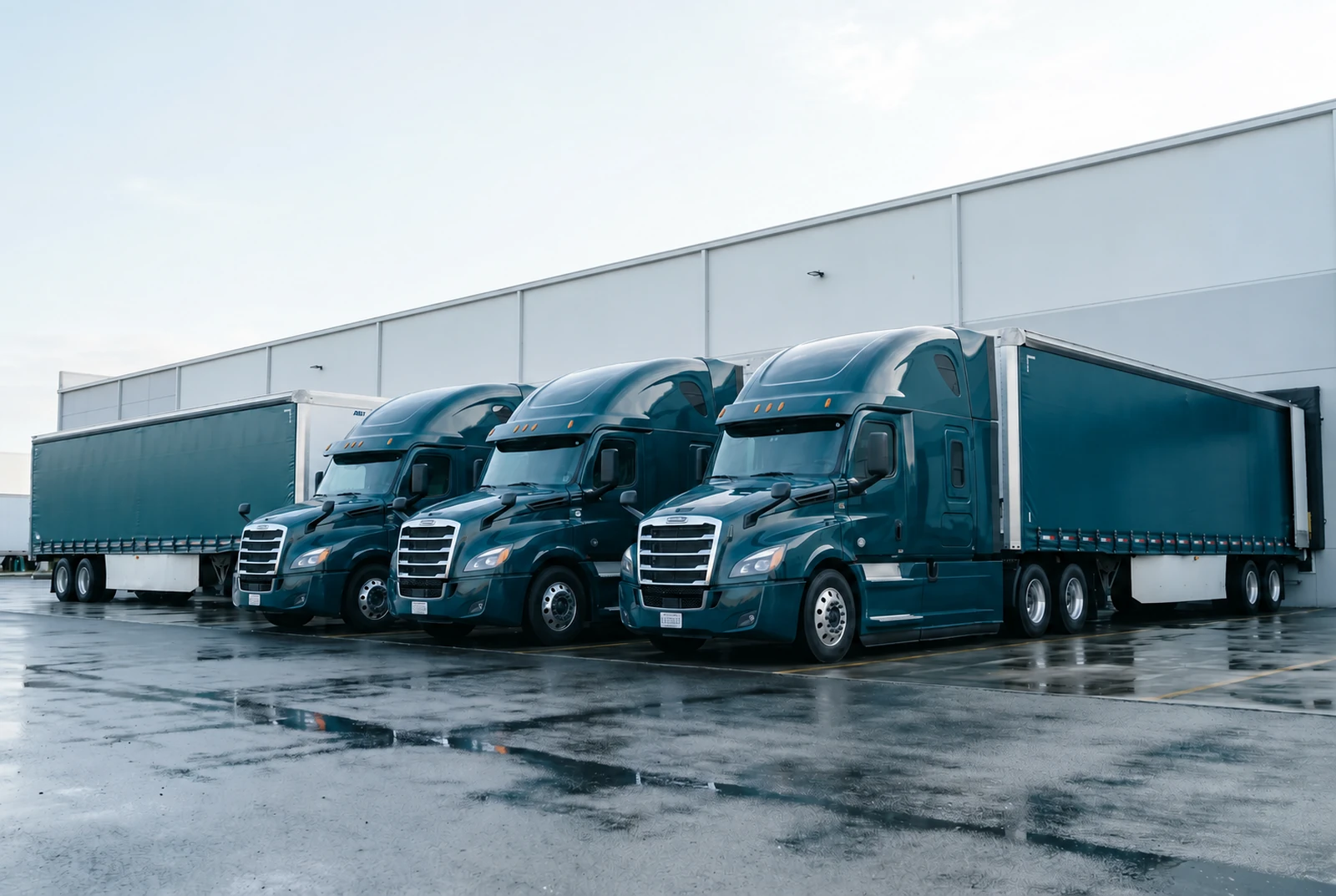
First mile, final mile and cross-border road transportation connecting ports, warehouses and final destinations.
Enquire about road transport
Professional coordination of customs formalities and documentation to help cargo move compliantly across borders.
Enquire about customs clearance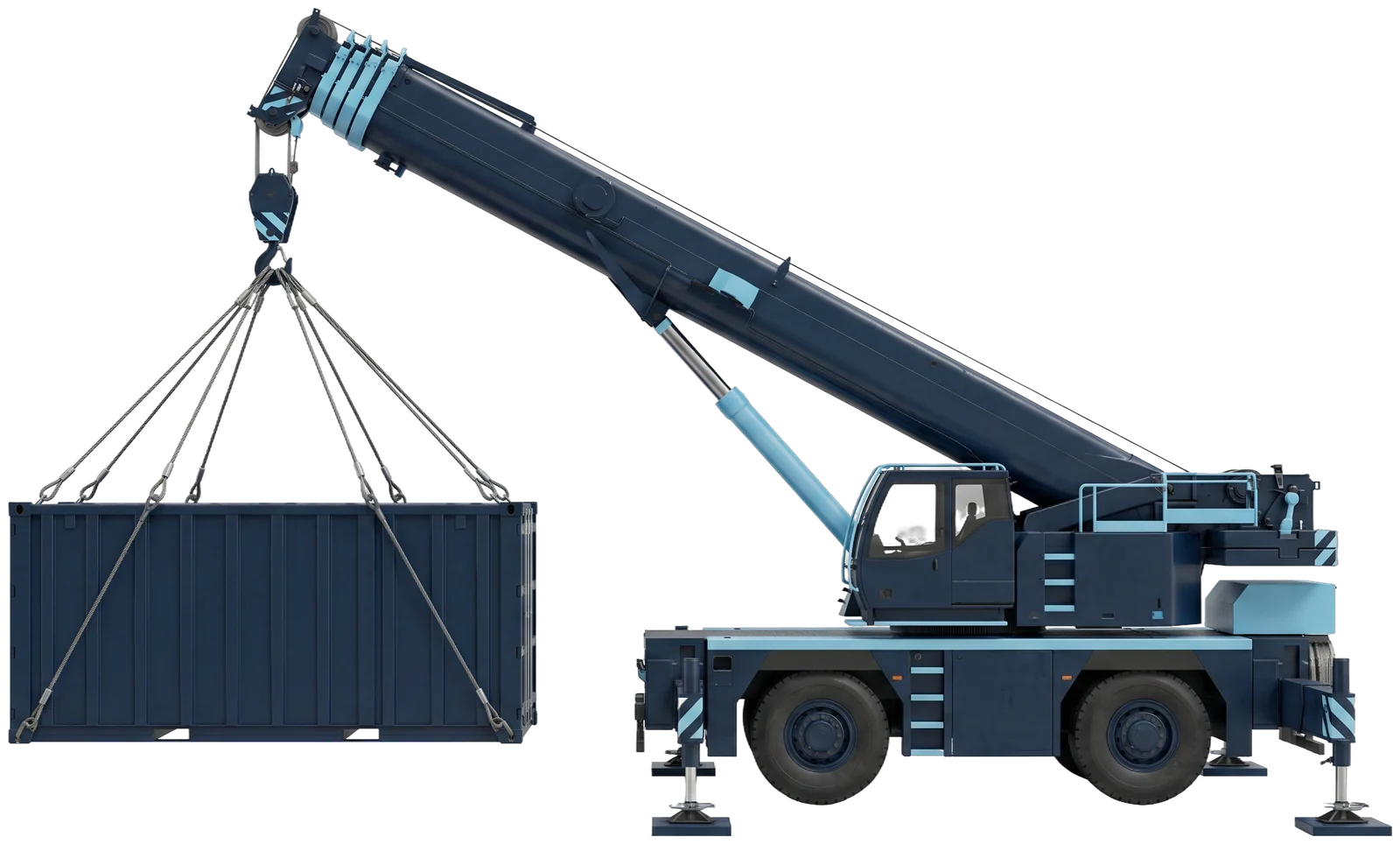
Bespoke logistics solutions for oversized, complex, high-value, time-critical or technically demanding shipments.
Discuss your project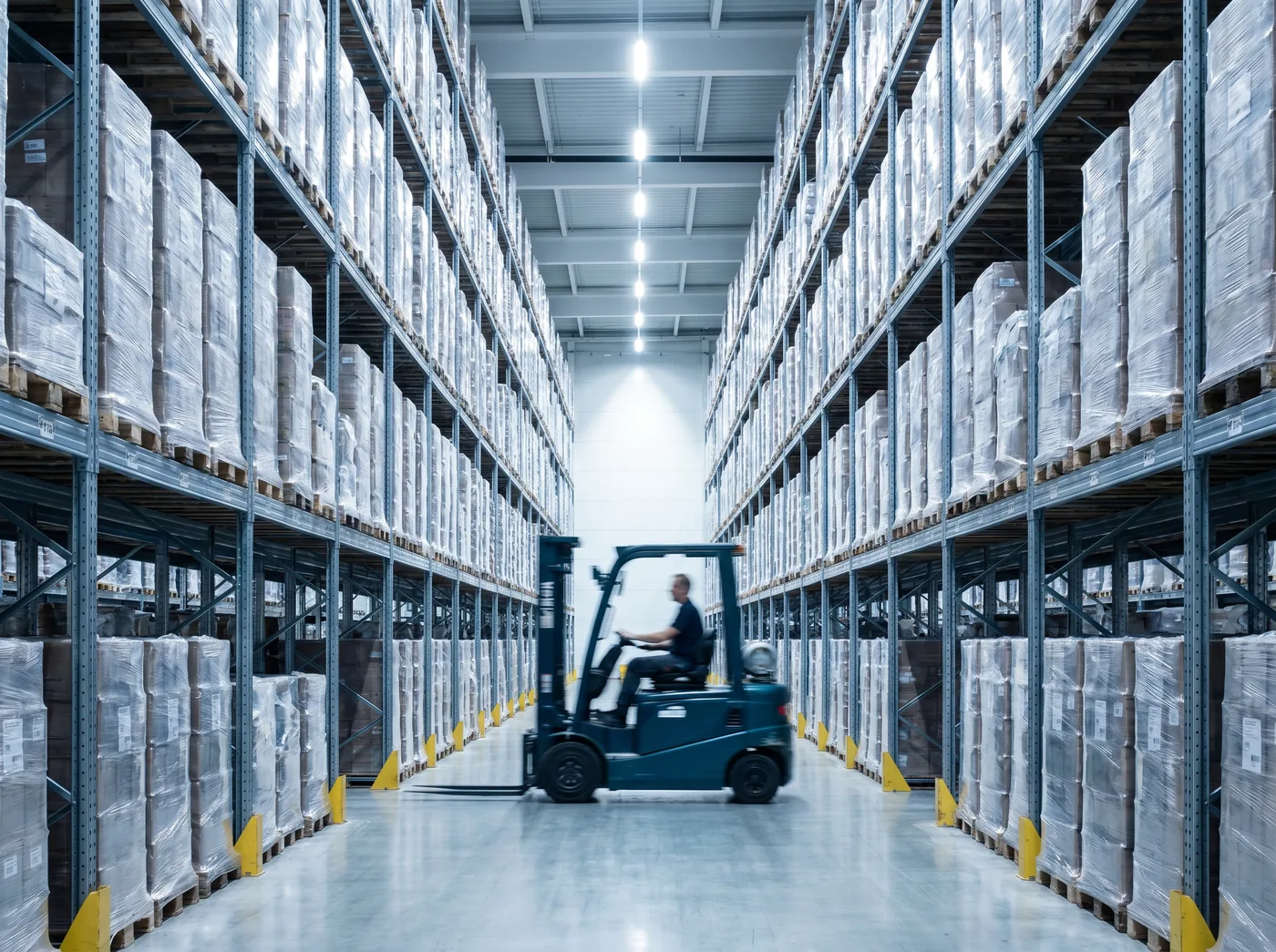
Storage, handling and onward distribution designed around the customer's supply chain requirements.
Enquire about warehousing & distribution